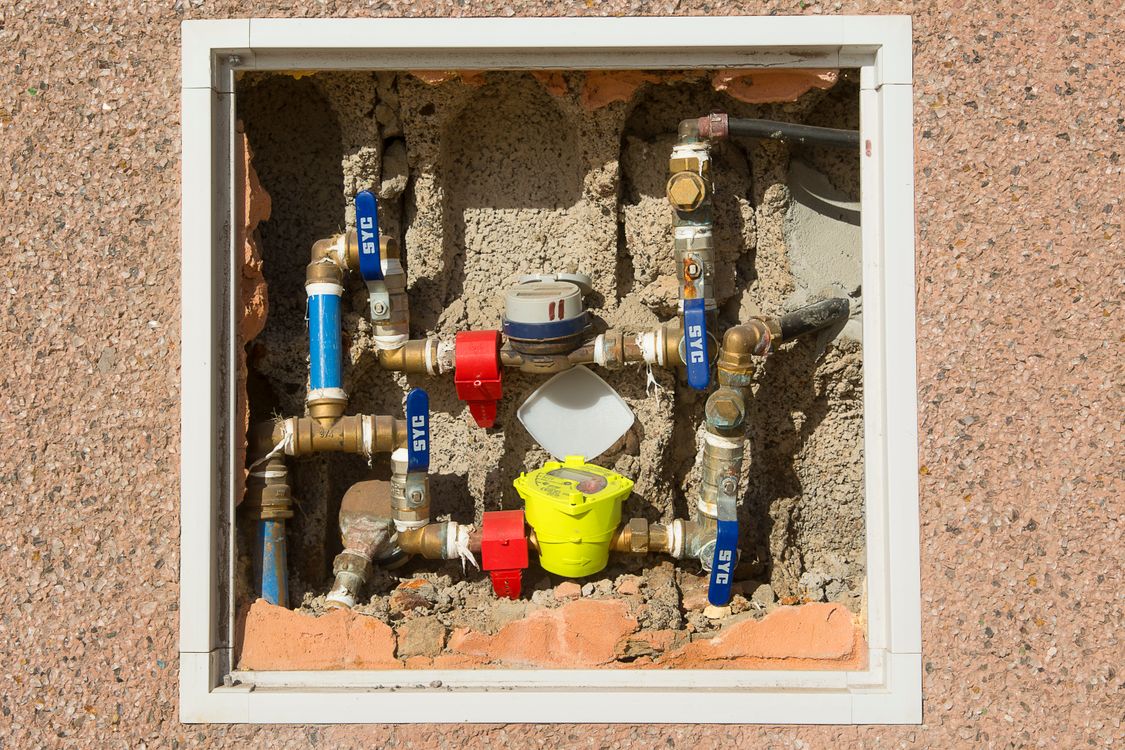
Split lines and failed fittings
Burst Pipe Water Damage Cleanup in Greenbelt, MD
A burst pipe releases supply-line pressure water until someone shuts it off, and it can soak a surprising amount of a building in a short time. We connect you with local crews who extract the water, open only what needs opening and dry the structure properly.
Pipe burst and water spraying or pooling? Someone picks up any time.
Pipe Burst? Call NowReviewed
- Available 24/7
- Emergency response
- Crews familiar with Prince George’s County properties
- Straight answers on the phone
The problem
Why burst pipes cause so much damage so quickly
Supply pipes carry water under pressure all the time. When one splits, or a fitting lets go, water doesn’t trickle; it keeps coming until the valve is closed. A failure inside a wall or ceiling can run for some time before anyone sees it, spreading through cavities, along joists and into the rooms below.
Because it is clean supply water, much of what it wets can often be dried rather than replaced, provided drying starts promptly. The longer materials stay wet, the more likely drywall softens, wood swells and flooring delaminates.
The priorities are always the same: shut off the water, get the liquid out, find everywhere it went, and dry it. Repairing the pipe itself is plumbing work that runs alongside the restoration.
What people usually notice
A burst pipe isn’t always a spray of water; sometimes it announces itself more quietly.
- Water spraying or streaming from a wall, ceiling or cabinet
- A sudden drop in water pressure at the taps
- The sound of running water with nothing turned on
- A bulging or dripping ceiling
- Water appearing under a door from a closet or utility room
- A water meter that keeps spinning
In this corridor
Why pipes fail in this corridor
Age is the most common factor. Housing around Greenbelt ranges from late-1930s originals to mid-century garden apartments and townhouses, and many still carry galvanised steel or early copper supply lines, original shut-off valves and fittings that have been disturbed by several rounds of remodelling. Corrosion thins pipe walls from the inside until a pressure surge or a knock finishes the job.
Cold is the second. In winter, pipes in exterior walls, crawl spaces, unheated garages and vacant units can freeze, expand and split, often leaking only once they thaw. Stacked buildings add risk where supply lines run through unheated chases or near poorly sealed exterior penetrations.
Workmanship and pressure round it out: a push-fit connector that wasn’t seated, a supply line kinked behind an appliance, or building water pressure that runs higher than fixtures and fittings were designed for.
The first hour
What to do right now
With a burst pipe, seconds matter less than steady order. Work down this list.
Shut off the water
Close the nearest fixture valve if the break is after it; otherwise close the main. In an apartment or condo, the unit shut-off may be under the kitchen sink or near the water heater, with the building main in a mechanical room.
Keep away from wet electrics
Pressure water can reach outlets and fixtures well away from the break. If water is near outlets or panels, do not enter and call your utility and emergency services.
Open a low tap
Once the supply is off, opening a tap at the lowest point of the home helps drain what is left in the pipes.
Tell the neighbours
In attached or stacked housing, water from a burst pipe often reaches the unit below or beside within minutes. Knock, and call the management office.
Protect belongings
Move electronics, papers and valuables out of the wet area, and lift furniture onto blocks or plastic.
Photograph and note the time
Pictures of the break, the water and the affected rooms, plus the time you found it and when the water was shut off.
Can’t find the shut-off, or it won’t turn? Stay on the line and we’ll help.
Help Me Shut the Water OffShared walls, shared floors
When a burst pipe crosses into other units
Pressure water travels quickly, and it rarely stays in one home.
Water heading into the unit below or next door? We’ll help you reach the right people.
Water Reaching Next Door? CallHow the work is done
How burst pipe damage is handled
Confirm the water is off
The crew checks the supply is isolated and, where needed, works with a plumber to make a temporary or permanent repair.
Extract standing water
Floors, carpet and pad are extracted first, removing the bulk of the water quickly.
Trace the spread
Moisture meters and thermal imaging follow water through walls, ceilings and into neighbouring spaces.
Open selectively
Ceilings and walls are opened only where water is trapped or the plumber needs access, keeping repairs as small as practical.
Dry and verify
Dehumidifiers and air movers dry the structure, and readings confirm when each material is back to normal.
Clean water, but not for long
Water from a burst supply line starts clean, which is why so much can be dried in place. If it sits for days, or picks up contamination from materials it passes through, the options narrow. Starting drying promptly keeps more of the building intact.
Time and cost
How long burst pipe work takes, and what it costs
Two burst pipes rarely produce the same job.
- How long the water ran before it was shut off
- Where the break was: inside a wall, a ceiling or an exposed run
- How many rooms, floors or units the water reached
- Plaster, drywall, hardwood or carpet involved
- Access through finished ceilings or neighbouring units
- Season and humidity during drying
The crew walks you through the plan before work begins. Plumbing repairs are priced by the plumber.
One call covers extraction, drying and repairs.
Ask About Burst Pipe DryingAfterward
After the pipe is fixed and the house is dry
When readings confirm materials are dry, openings in walls and ceilings are closed, finishes are repaired and flooring is reinstalled or replaced. Where plaster was involved, repairs may take a little longer to blend in.
A burst pipe is often a sign of its neighbours. If the failed line was old galvanised pipe or an original fitting, ask the plumber about the rest of the run. In winter-prone spots, insulation and sealing air leaks near exterior walls reduce the chance of a repeat.
Keep your photographs, the times you noted and the crew’s documentation of the work performed together.
Related services
Areas we serve
Questions
Burst pipe questions
Old gate valves often seize. Don’t force it hard enough to break it. Try the fixture valve nearest the break, call the management office if you are in a shared building, or call your water utility, which can shut the supply at the street. Stay on the phone with us and we can help you work through it.
Usually the general location can be narrowed down with moisture meters and thermal imaging, so only a small section needs opening for the repair. The plumber will need enough access to fix the pipe properly.
Often, if extraction and drying start quickly. Hardwood can cup as it absorbs water and may flatten again as it dries. Boards that stay cupped or crowned after drying may need sanding or replacing.
Restoration crews handle the water damage. The pipe repair is done by a plumber, and the two can work in sequence so walls are closed only once the repair is complete and the cavity is dry.
Tell the occupant above if you can, and call the management office so they can shut off the water if needed. Move belongings out from under the leak and photograph the damage. The crew will need access to both units.
Many jobs take several days. It depends on how much water was released, what materials got wet and the season. The crew will tell you what the readings show at each visit.
Most people do, living around the equipment in the affected rooms. If the kitchen or only bathroom is involved, ask how the work can be sequenced to keep them usable.
Coverage depends on your individual policy, so contact your own insurer and read your own policy. It is generally useful to keep photographs, the times you noted, and the crew’s documentation of the work performed.
Burst pipe? Let’s stop the spread
Call once the water is off, or while you are still looking for the valve. We will connect you with a crew that can extract, dry and repair.
Local crews who know older supply lines and tight wall cavities.
Speak With a Local Crew